Decoding Your Home Inspection Report: A Guide for Billings Buyers
By Levi Vandersloot · August 1, 2026 · 4 min read
The ink is barely dry on your offer for a property in Billings, and the excitement is palpable. But then the email arrives: your home inspection report is ready. For many buyers in Billings, opening that document can feel like studying for a final exam you didn’t sign up for. It’s thick, technical, and full of photos that might make your dream home look like a construction site.
I’m Sam with Yellowstone Home Inspections. I want to reassure you that a lengthy report doesn’t mean you’re buying a “bad” house. It means we’ve done our job. Our goal is to document the current condition of the property so you can move forward with confidence. Understanding how to read that report is the first step in turning those scary-sounding defects into a manageable plan for your future home.
The Layout: From Summary to Details
Most modern inspection reports, including the ones we generate for clients in Billings, follow a logical flow. We start with the big picture and drill down into the specifics.
The Summary Page
Don’t skip straight to the plumbing section; start here. The summary is designed to highlight the ‘Material Facts’—issues that significantly affect the safety, value, or habitability of the home. It’s your cheat sheet for the items that truly need immediate attention.
The System-by-System Breakdown
After the summary, the report is divided into categories: Roof, Structure, Electrical, Plumbing, HVAC, and more. If you opted for a Full Home Inspection, each of these systems will be detailed. We use color-coded tags (often Red, Orange, and Blue) to denote severity:
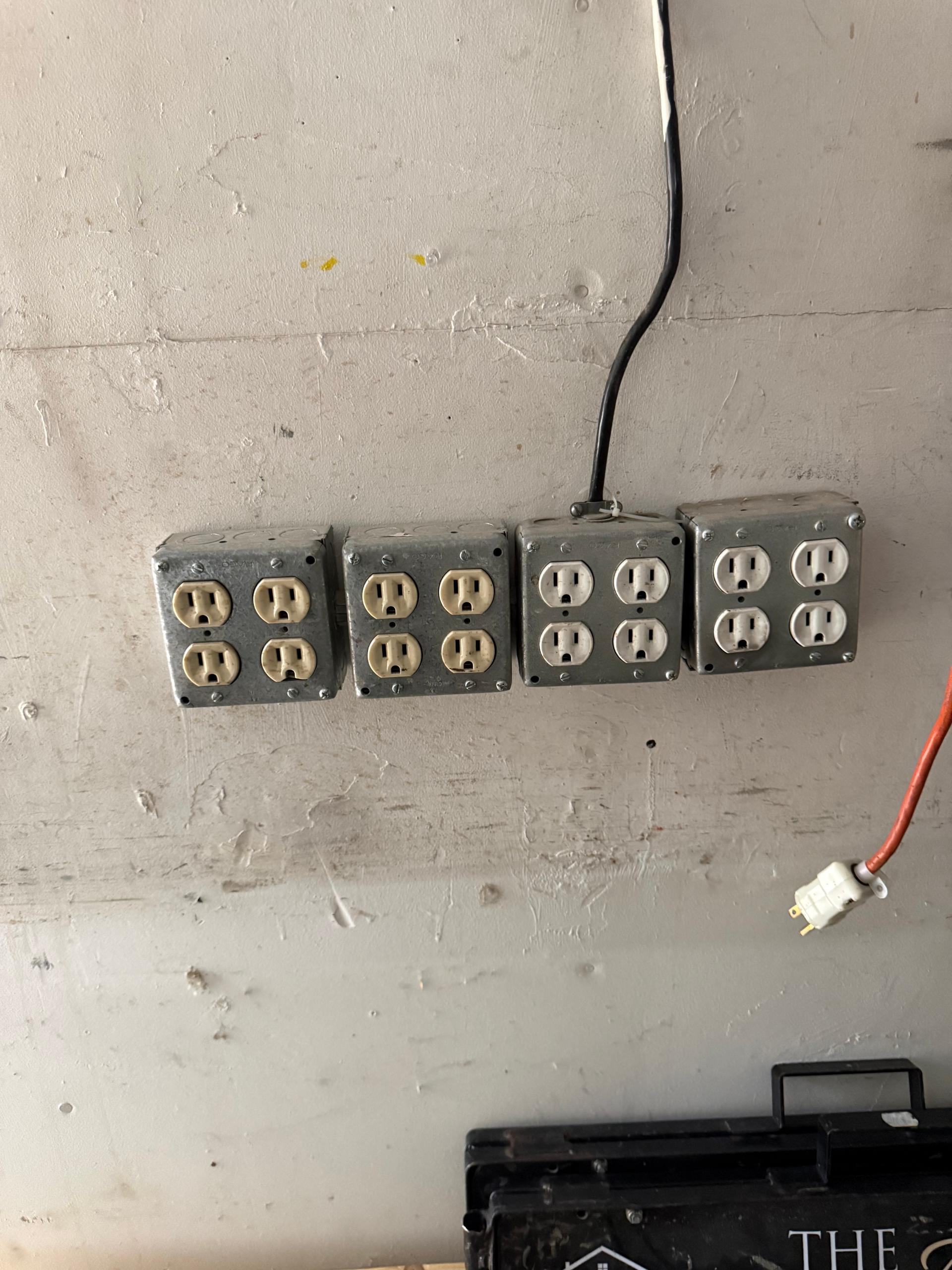
- Major Defects: These are significant issues, like a failing roof or a hazardous electrical panel.
- Minor Defects: These are repairs that should be made but aren't urgent, like a missing shingle or a dripping faucet.
- Suggestions for Improvement: These are upgrades or maintenance tips, like adding more insulation to the attic.
Read through the descriptions carefully. We write these to be educational, explaining not just what is wrong, but why it matters.
Prioritizing Repairs in Our Climate
One of the toughest parts of reading the report is deciding what to fix first. Living in Billings, our extreme weather swings—from freezing winters to scorching summers—dictate our repair priorities.
Safety First
Always prioritize safety-related items. This includes trip hazards, missing smoke detectors, or issues with the gas line. These aren’t negotiable for your family’s well-being.
Protecting the Building Envelope
Next, look at items that let the outside in. In Billings, where the wind can howl, maintaining the roof, siding, and windows is critical. If the report notes a leak around the chimney or damaged flashing, address this quickly to prevent water intrusion and mold.
Efficiency and Longevity
Finally, consider the systems that keep you comfortable. An older furnace or a water heater nearing the end of its life isn’t an emergency, but it’s good to know so you can budget for a replacement before it fails on a -10 degree night in January.
Understanding Add-On Services: Radon and Sewer
Many of our clients enhance their standard inspection with specialized testing. If you added these services, your report will include separate sections for them, and they require a slightly different mindset to read.
Radon Testing Results
Radon is a colorless, odorless gas common in our rocky soil, and it’s a concern for many homebuyers in Billings. Your report will show the average radon level measured in picocuries per liter (pCi/L). It will also include a comparison to the EPA action level. Even if the number is slightly elevated, it’s not a reason to walk away from a great home; it simply means mitigation is necessary, which is a fairly standard and affordable fix in our area.
Sewer Scope Findings
If you added a Sewer Scope Inspection, you’ll see photos and video captures of your sewer lateral. In older neighborhoods of Billings, we often find issues like root intrusion or offset pipes. This section is very visual. If you see a ‘bellied’ pipe (a low spot where water collects), note it. Sewer repairs can be costly, so this section is vital for negotiation.
Remember: It’s a Snapshot, Not a Crystal Ball
It is crucial to remember that a home inspection is a visual, non-invasive evaluation of the home’s condition on that specific day. We can’t see behind finished walls or predict the future. If you see a recommendation to ‘evaluate by a licensed professional,’ such as an electrician or structural engineer, don’t panic. This doesn’t necessarily mean the house is in danger of collapse. It often means we found a condition that falls outside our scope or requires a specialist’s tools to fully diagnose.
For example, if we observe unusual staining on a ceiling near a chimney in a Billings home, we might recommend a roofer to verify the flashing integrity before we sign off on it being leak-free. Use the report as a maintenance guide. Even new construction homes have issues. The report is a baseline for you to take care of the home as it ages.
Let’s Review Your Report Together
Navigating an inspection report can be overwhelming, but you don’t have to do it alone. Whether you are buying a historic property in Billings or a new build in Billings, understanding the document is key to protecting your investment. If you have questions about a specific finding or just want peace of mind before you sign closing papers, reach out to us at Yellowstone Home Inspections. We are happy to walk you through the details over the phone.
Ready to schedule your inspection or need a quote for a Healthy Home Inspection Package? Contact us today—we’re here to help you make the best decision for your future.